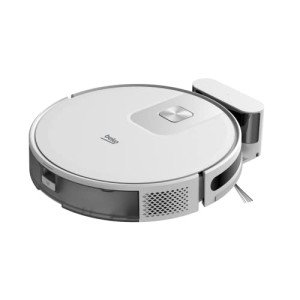
The Most Pervasive Problems In Automatic Hoover Robot


The Rise of Automatic Hoover Robots: Revolutionizing Home Cleaning
In today's busy world, technology continues to improve the method we live and work. Amongst the developments making a considerable effect on families are automatic hoover robots, often referred to just as robot vacuums. Best Robot Vacuums assure not only convenience however likewise performance in maintaining clean living areas. This short article checks out the evolution, advantages, restrictions, and future of automatic hoover robots.
The Evolution of Automatic Hoover Robots
The concept of automated cleaning devices dates back to the early 20th century, however it wasn't until the introduction of advanced robotics, sensing units, and synthetic intelligence that robot vacuums became viable. The following table illustrates crucial milestones in the development of automatic hoover robots:
| Year | Milestone |
|---|---|
| 1996 | The very first automatic vacuum is introduced by Electrolux. |
| 2002 | iRobot introduces the Roomba, a consumer-grade robot vacuum. |
| 2010 | Introduction of innovative mapping innovation and collision sensors. |
| 2016 | Robotic vacuums start incorporating with smart home systems. |
| 2020 | Increased adoption of AI and maker learning for much better cleaning algorithms. |
How Automatic Hoover Robots Work
Automatic hoover robots run utilizing a mix of sensing units and algorithms to navigate home spaces. Below are key elements that add to the performance of these devices:
- Sensors: Lidar (light detection and varying), infrared, and cliff sensors help the robot map the location and avoid obstacles.
- Mapping Technology: Many designs now use sophisticated mapping capabilities, allowing effective navigation through rooms, recognizing high-traffic areas, and remembering the design of your home.
- Cleaning Modes: Most robot vacuums feature multiple cleaning modes, including spot cleaning, edge cleaning, and methodical navigation.
- App Connectivity: Many modern-day styles enable control through smartphone apps, making it possible for users to schedule cleansings and personalize settings from another location.
Advantages of Automatic Hoover Robots
Automatic hoover robots offer a variety of benefits, making them interesting a considerable variety of customers. Here are some engaging advantages:
- Time-Saving: Users can schedule cleanings and multitask while the robot does the work.
- Constant Cleaning: Regularly scheduled cleansings make sure that homes remain tidy.
- Accessibility: Robots can clean up hard-to-reach locations like under furniture without manual effort.
- Smart Features: Integration with smart home systems permits voice control and more advanced scheduling choices.
Limitations of Automatic Hoover Robots
Regardless of their benefits, automatic hoover robots have certain disadvantages that users require to think about:
- Battery Life: Most robot vacuums require recharging, which can interrupt cleaning cycles.
- Suction Power: While reliable for light particles, they might deal with deeply ingrained dirt or thick carpets.
- Maintenance: Regular cleaning of brushes and filters is essential to maintain efficiency.
- Cost: High-end designs can be costly, which may be a barrier for some customers.
Future of Automatic Hoover Robots
As technology continues to advance, there are a number of exciting prospects for automatic hoover robots. Here's what to anticipate in the coming years:
- Enhanced AI: Improved device learning algorithms could allow robots to adapt their cleaning methods based upon the particular layout and dirt levels in a home.
- Multi-Functionality: Future designs might not only vacuum however also mop, disinfect surface areas, or even provide real-time environmental monitoring.
- Integration with Home Automation: Increased interoperability with various smart home systems will likely enhance control and functionality.
- Sustainability: Future versions might focus on environmentally friendly features, consisting of biodegradable elements and energy-efficient operations.
Often Asked Questions (FAQs)
1. How often should I run my automatic hoover robot?
- It largely depends upon your lifestyle, but running it a few times each week can help preserve a clean home, especially in high-traffic areas.
2. Can I utilize a robot vacuum on carpets?
- Numerous robot vacuums are designed to work on carpets, but performance might differ depending on the density and density. Constantly inspect the producer's requirements.
3. Do robot vacuums work well with pet hair?
- Many contemporary models are geared up with brushes and strong suction power particularly created to handle animal hair efficiently.
4. Can I schedule cleansings from another location?
- Yes, lots of robot vacuums come with smartphone apps that permit users to arrange cleanings and control functions from anywhere.
5. How do I preserve my robot vacuum?
- Regularly clean the brushes, empty the dustbin, and change filters according to the producer's recommendations to guarantee optimal efficiency.
Automatic hoover robots represent a substantial shift in the way families approach cleaning. By combining advanced innovation with user-friendly functions, these devices not just provide benefit but also enhance performance in keeping tidy living areas. As developments continue, the future of automatic hoover robots looks promising, potentially offering a lot more intelligent services for modern-day homes.
In a world where time is of the essence, the role of innovation in home care is becoming progressively essential, making automatic hoover robots an excellent financial investment for those aiming to streamline their lives while guaranteeing cleanliness.